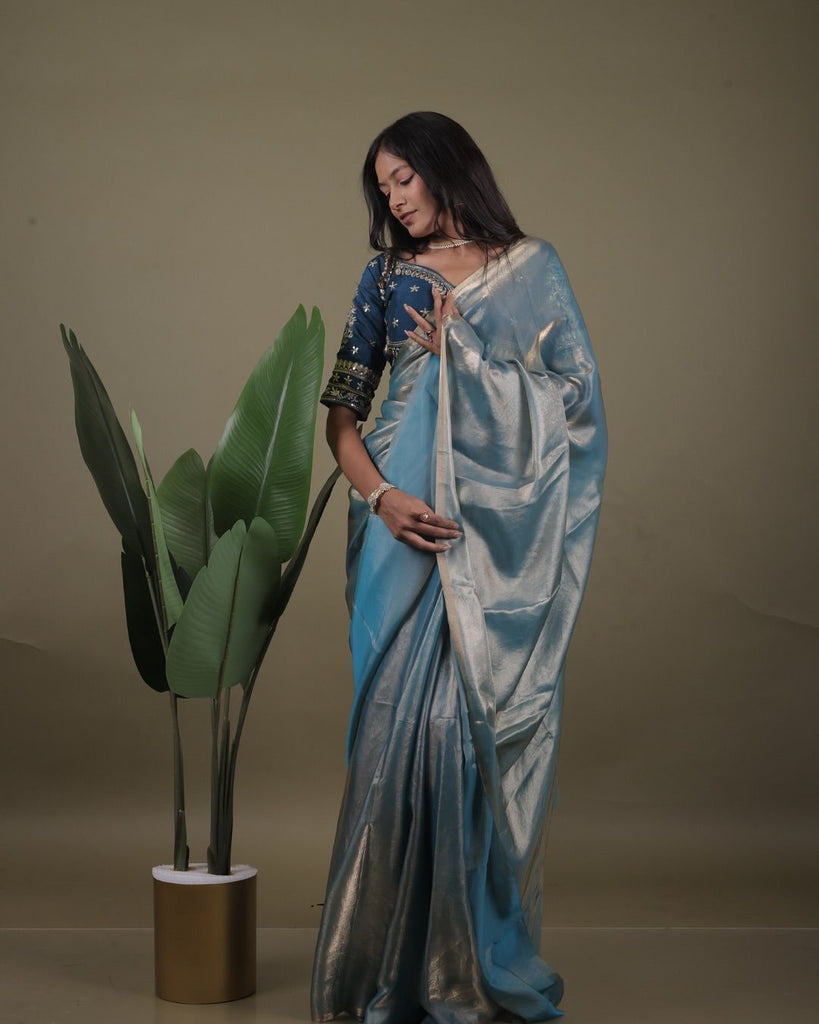
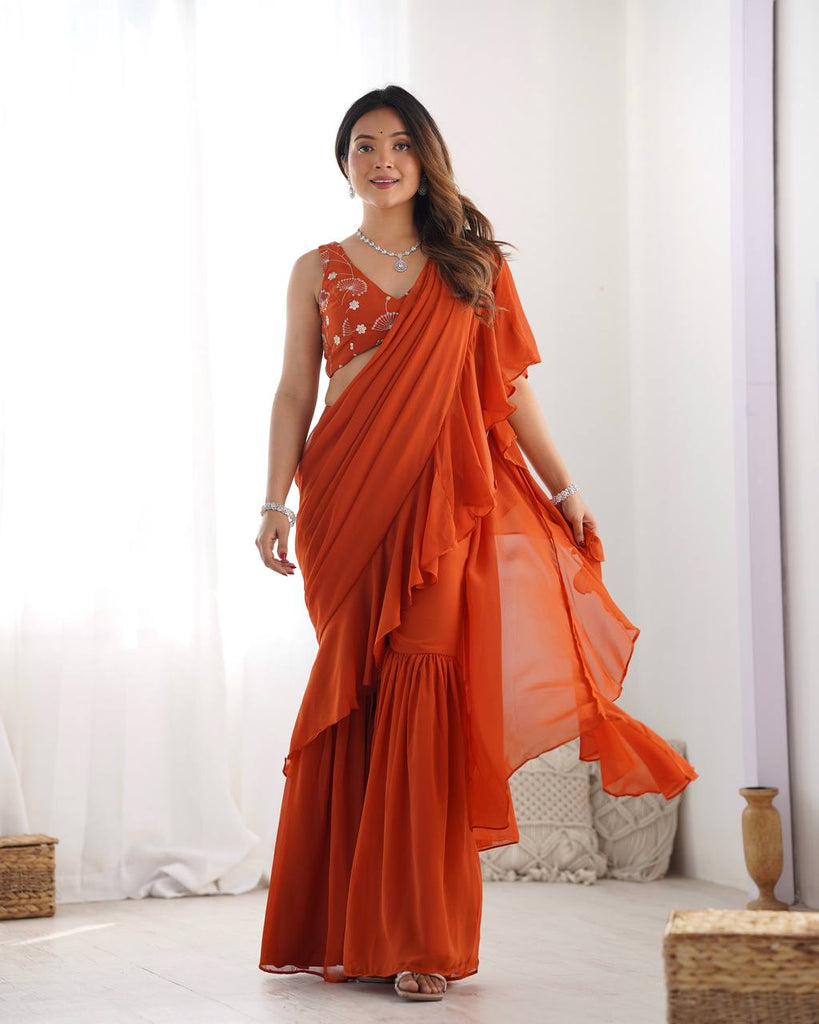
Choosing Indian ethnic wear becomes much easier when you have a framework instead of relying on endless scrolling. This detailed guide from EthnicOfIndia.com focuses on the decisions that actually change the result: fabric behavior, fit, proportion, comfort, styling flexibility, care and value. The aim is not to create rigid fashion rules. It is to help you understand why two outfits that look similar in a thumbnail can feel completely different once worn.
The advice below is designed for real shopping and real events. It considers long functions, warm weather, sitting, dancing, travel, photography, alterations and repeat wear. The best purchase is rarely the item with the most decoration. It is the one that suits the occasion, fits correctly, photographs well, feels manageable for the full event and can be styled again.
Use the sections as a checklist before you buy, tailor or pack your next look. Wherever measurements, traditions or dress codes vary, treat the guidance as a starting point and adjust it to your body, family customs and venue. Personal preference should remain part of the decision. A confident outfit is usually one where the wearer understands the trade-offs and chooses them deliberately.
Why regional sarees are more than style labels
In practice, why regional sarees are more than style labels depends on several small details working together. A regional saree name can refer to weave, technique, motif tradition or place of production gives you the first reference point, while fiber and construction often vary within the same tradition helps you judge proportion, comfort or usefulness. Next, look at authentic craft is tied to skilled labor and local knowledge; this is where many purchases that seem fine online become less convincing after a full fitting. The fourth factor is buyers should learn textile vocabulary rather than judging only by surface appearance. When these elements support one another, the outfit usually looks more intentional and feels easier to manage. When they conflict, extra accessories cannot fully correct the underlying issue.
Think of this section as a decision sequence rather than a list of rules. First test a regional saree name can refer to weave, technique, motif tradition or place of production. After that, review fiber and construction often vary within the same tradition in the context of the actual event, climate and duration of wear. Only then move to authentic craft is tied to skilled labor and local knowledge, because visual details should be judged after the functional basics are secure. Finish with buyers should learn textile vocabulary rather than judging only by surface appearance. This order prevents a common shopping mistake: paying for a strong visual feature while overlooking the construction or styling requirement that determines whether the garment is comfortable enough to wear again.
- A regional saree name can refer to weave, technique, motif tradition or place of production.
- Fiber and construction often vary within the same tradition.
- Authentic craft is tied to skilled labor and local knowledge.
- Buyers should learn textile vocabulary rather than judging only by surface appearance.
Banarasi: brocade, zari and dense visual storytelling
The strongest approach to banarasi: brocade, zari and dense visual storytelling is to work from function toward decoration. Begin with Banarasi sarees are associated with Varanasi weaving traditions, because that determines the practical boundaries of the choice. Add floral jaal, buta and architectural-inspired borders are common visual languages and you can judge whether the proportion or construction is working. Then examine silk and zari create ceremonial weight with the garment in motion rather than only standing in front of a mirror. Finally, use not every shiny brocade sold as Banarasi represents the same material or weaving quality as a reality check. This process is deliberately simple, but it catches many of the reasons an ethnic outfit becomes uncomfortable, difficult to style or expensive to alter later.
For shopping, translate the same idea into four questions. Does it handle Banarasi sarees are associated with Varanasi weaving traditions well? Is floral jaal, buta and architectural-inspired borders are common visual languages appropriate for the event you actually have? Will silk and zari create ceremonial weight still feel right after several hours? And have you accounted for not every shiny brocade sold as Banarasi represents the same material or weaving quality? A product does not need to win every category, but you should know which compromise you are accepting. That awareness is more useful than chasing a universal “best” option, because body measurements, climate, family customs and personal style can change the right answer.
- Banarasi sarees are associated with varanasi weaving traditions.
- Floral jaal, buta and architectural-inspired borders are common visual languages.
- Silk and zari create ceremonial weight.
- Not every shiny brocade sold as banarasi represents the same material or weaving quality.
Kanjeevaram: structure, contrast and temple-town heritage
Kanjeevaram: structure, contrast and temple-town heritage is easiest to get right when you treat it as a practical decision rather than a styling slogan. Start by thinking about Kanjeevaram silk is known for substantial body and rich color. Then compare that with contrast borders and pallus are a signature styling direction. Those two checks usually reveal whether a choice will work in real life, not just in a product photo. It also helps to consider traditional motifs include temple, checks, florals and nature references, because that changes how the outfit behaves once you are moving, sitting, travelling or wearing it for several hours. Finally, keep the saree’s firmness makes pleat preparation important in the same decision. A good result comes from combining appearance, comfort and repeat use instead of optimizing only one of them.
A useful way to apply this is to make a small before-you-buy test. Ask whether the option supports Kanjeevaram silk is known for substantial body and rich color; whether it still makes sense once you account for contrast borders and pallus are a signature styling direction; and whether traditional motifs include temple, checks, florals and nature references creates any hidden compromise. If the answer is unclear, compare two alternatives side by side rather than buying the first attractive option. This is especially important for this topic, where fabric, tailoring and styling details can change the final look more than the model image suggests. The last check is the saree’s firmness makes pleat preparation important. If that point fails, the piece may become difficult to wear even if the design initially looks impressive.
- Kanjeevaram silk is known for substantial body and rich color.
- Contrast borders and pallus are a signature styling direction.
- Traditional motifs include temple, checks, florals and nature references.
- The saree’s firmness makes pleat preparation important.
Paithani: color play and ornamental pallu

In practice, paithani: color play and ornamental pallu depends on several small details working together. Paithani is closely associated with maharashtra gives you the first reference point, while peacock, floral and geometric motifs can appear in the pallu helps you judge proportion, comfort or usefulness. Next, look at bright color contrasts are part of its appeal; this is where many purchases that seem fine online become less convincing after a full fitting. The fourth factor is storage should protect silk and metallic elements from moisture. When these elements support one another, the outfit usually looks more intentional and feels easier to manage. When they conflict, extra accessories cannot fully correct the underlying issue.
Think of this section as a decision sequence rather than a list of rules. First test Paithani is closely associated with Maharashtra. After that, review peacock, floral and geometric motifs can appear in the pallu in the context of the actual event, climate and duration of wear. Only then move to bright color contrasts are part of its appeal, because visual details should be judged after the functional basics are secure. Finish with storage should protect silk and metallic elements from moisture. This order prevents a common shopping mistake: paying for a strong visual feature while overlooking the construction or styling requirement that determines whether the garment is comfortable enough to wear again.
- Paithani is closely associated with maharashtra.
- Peacock, floral and geometric motifs can appear in the pallu.
- Bright color contrasts are part of its appeal.
- Storage should protect silk and metallic elements from moisture.
Bandhani: resist-dyed rhythm from western India
The strongest approach to bandhani: resist-dyed rhythm from western india is to work from function toward decoration. Begin with Bandhani uses tied resist points to create dotted patterns, because that determines the practical boundaries of the choice. Add Gujarat and Rajasthan have strong Bandhani traditions and you can judge whether the proportion or construction is working. Then examine pattern density and tying finesse influence visual richness with the garment in motion rather than only standing in front of a mirror. Finally, use the craft can appear on lightweight festive sarees as well as more formal textiles as a reality check. This process is deliberately simple, but it catches many of the reasons an ethnic outfit becomes uncomfortable, difficult to style or expensive to alter later.
For shopping, translate the same idea into four questions. Does it handle Bandhani uses tied resist points to create dotted patterns well? Is Gujarat and Rajasthan have strong Bandhani traditions appropriate for the event you actually have? Will pattern density and tying finesse influence visual richness still feel right after several hours? And have you accounted for the craft can appear on lightweight festive sarees as well as more formal textiles? A product does not need to win every category, but you should know which compromise you are accepting. That awareness is more useful than chasing a universal “best” option, because body measurements, climate, family customs and personal style can change the right answer.
- Bandhani uses tied resist points to create dotted patterns.
- Gujarat and rajasthan have strong bandhani traditions.
- Pattern density and tying finesse influence visual richness.
- The craft can appear on lightweight festive sarees as well as more formal textiles.
Chanderi: luminous lightness
Chanderi: luminous lightness is easiest to get right when you treat it as a practical decision rather than a styling slogan. Start by thinking about Chanderi is prized for a light, translucent character. Then compare that with silk-cotton combinations are common. Those two checks usually reveal whether a choice will work in real life, not just in a product photo. It also helps to consider small motifs and elegant borders make it versatile for daytime occasions, because that changes how the outfit behaves once you are moving, sitting, travelling or wearing it for several hours. Finally, keep its delicate surface requires careful handling around sharp jewellery in the same decision. A good result comes from combining appearance, comfort and repeat use instead of optimizing only one of them.
A useful way to apply this is to make a small before-you-buy test. Ask whether the option supports Chanderi is prized for a light, translucent character; whether it still makes sense once you account for silk-cotton combinations are common; and whether small motifs and elegant borders make it versatile for daytime occasions creates any hidden compromise. If the answer is unclear, compare two alternatives side by side rather than buying the first attractive option. This is especially important for this topic, where fabric, tailoring and styling details can change the final look more than the model image suggests. The last check is its delicate surface requires careful handling around sharp jewellery. If that point fails, the piece may become difficult to wear even if the design initially looks impressive.
- Chanderi is prized for a light, translucent character.
- Silk-cotton combinations are common.
- Small motifs and elegant borders make it versatile for daytime occasions.
- Its delicate surface requires careful handling around sharp jewellery.
Patola: complex geometry and double-ikat prestige

In practice, patola: complex geometry and double-ikat prestige depends on several small details working together. Patola is strongly associated with patan in gujarat gives you the first reference point, while double ikat requires pre-planned dyeing of both warp and weft helps you judge proportion, comfort or usefulness. Next, look at precise pattern alignment reflects high skill; this is where many purchases that seem fine online become less convincing after a full fitting. The fourth factor is true handcrafted examples can command high prices because production is labor intensive. When these elements support one another, the outfit usually looks more intentional and feels easier to manage. When they conflict, extra accessories cannot fully correct the underlying issue.
Think of this section as a decision sequence rather than a list of rules. First test Patola is strongly associated with Patan in Gujarat. After that, review double ikat requires pre-planned dyeing of both warp and weft in the context of the actual event, climate and duration of wear. Only then move to precise pattern alignment reflects high skill, because visual details should be judged after the functional basics are secure. Finish with true handcrafted examples can command high prices because production is labor intensive. This order prevents a common shopping mistake: paying for a strong visual feature while overlooking the construction or styling requirement that determines whether the garment is comfortable enough to wear again.
- Patola is strongly associated with patan in gujarat.
- Double ikat requires pre-planned dyeing of both warp and weft.
- Precise pattern alignment reflects high skill.
- True handcrafted examples can command high prices because production is labor intensive.
Maheshwari: balanced elegance for repeat wear
The strongest approach to maheshwari: balanced elegance for repeat wear is to work from function toward decoration. Begin with Maheshwari weaving comes from Maheshwar in Madhya Pradesh, because that determines the practical boundaries of the choice. Add striped or checked fields and refined borders are common and you can judge whether the proportion or construction is working. Then examine silk-cotton textures balance drape and crispness with the garment in motion rather than only standing in front of a mirror. Finally, use the sarees can transition well from cultural events to formal daytime wear as a reality check. This process is deliberately simple, but it catches many of the reasons an ethnic outfit becomes uncomfortable, difficult to style or expensive to alter later.
For shopping, translate the same idea into four questions. Does it handle Maheshwari weaving comes from Maheshwar in Madhya Pradesh well? Is striped or checked fields and refined borders are common appropriate for the event you actually have? Will silk-cotton textures balance drape and crispness still feel right after several hours? And have you accounted for the sarees can transition well from cultural events to formal daytime wear? A product does not need to win every category, but you should know which compromise you are accepting. That awareness is more useful than chasing a universal “best” option, because body measurements, climate, family customs and personal style can change the right answer.
- Maheshwari weaving comes from maheshwar in madhya pradesh.
- Striped or checked fields and refined borders are common.
- Silk-cotton textures balance drape and crispness.
- The sarees can transition well from cultural events to formal daytime wear.
How to shop regional sarees responsibly
How to shop regional sarees responsibly is easiest to get right when you treat it as a practical decision rather than a styling slogan. Start by thinking about ask for fiber, weave and production details. Then compare that with request documentation when paying a premium for named handloom traditions. Those two checks usually reveal whether a choice will work in real life, not just in a product photo. It also helps to consider understand that power-loom versions may be legitimate products but should be described accurately, because that changes how the outfit behaves once you are moving, sitting, travelling or wearing it for several hours. Finally, keep support transparent sellers who explain origin rather than relying on vague heritage language in the same decision. A good result comes from combining appearance, comfort and repeat use instead of optimizing only one of them.
A useful way to apply this is to make a small before-you-buy test. Ask whether the option supports ask for fiber, weave and production details; whether it still makes sense once you account for request documentation when paying a premium for named handloom traditions; and whether understand that power-loom versions may be legitimate products but should be described accurately creates any hidden compromise. If the answer is unclear, compare two alternatives side by side rather than buying the first attractive option. This is especially important for this topic, where fabric, tailoring and styling details can change the final look more than the model image suggests. The last check is support transparent sellers who explain origin rather than relying on vague heritage language. If that point fails, the piece may become difficult to wear even if the design initially looks impressive.
- Ask for fiber, weave and production details.
- Request documentation when paying a premium for named handloom traditions.
- Understand that power-loom versions may be legitimate products but should be described accurately.
- Support transparent sellers who explain origin rather than relying on vague heritage language.
Care is part of preserving textile value
In practice, care is part of preserving textile value depends on several small details working together. Store clean and completely dry sarees gives you the first reference point, while refold periodically along different lines helps you judge proportion, comfort or usefulness. Next, look at use breathable wrapping for delicate natural fibers; this is where many purchases that seem fine online become less convincing after a full fitting. The fourth factor is follow specialist cleaning guidance for valuable zari or handwoven pieces. When these elements support one another, the outfit usually looks more intentional and feels easier to manage. When they conflict, extra accessories cannot fully correct the underlying issue.
Think of this section as a decision sequence rather than a list of rules. First test store clean and completely dry sarees. After that, review refold periodically along different lines in the context of the actual event, climate and duration of wear. Only then move to use breathable wrapping for delicate natural fibers, because visual details should be judged after the functional basics are secure. Finish with follow specialist cleaning guidance for valuable zari or handwoven pieces. This order prevents a common shopping mistake: paying for a strong visual feature while overlooking the construction or styling requirement that determines whether the garment is comfortable enough to wear again.
- Store clean and completely dry sarees.
- Refold periodically along different lines.
- Use breathable wrapping for delicate natural fibers.
- Follow specialist cleaning guidance for valuable zari or handwoven pieces.
A five-minute final check before you commit

Before checkout or final tailoring, step away from styling inspiration and review the outfit as a complete system. Confirm the event, expected weather, duration, footwear, undergarments, jewellery and any cultural requirements. Check whether the fabric needs lining, whether the blouse or top allows normal movement, and whether the hem works with the shoes you will genuinely wear. If a purchase needs alterations, add both the cost and the time to your decision.
Next, ask how you would style the piece a second and third time. A versatile item does not need to look identical on every wear. Changing the blouse, dupatta, jewellery, drape, jacket, belt, footwear or hairstyle can create a distinct result. If you cannot imagine a second use without buying several new accessories, the item may be more expensive than its price tag suggests. This cost-per-wear check is one of the simplest ways to build a stronger wardrobe.
Care and storage are part of the purchase
Ethnic garments often combine different materials in one piece: base fabric, lining, zari, sequins, thread work, stones, borders, hooks and padding. Care instructions should therefore be based on the most delicate component, not just the main fabric name. Store garments completely dry, avoid overpacking heavy embroidery, and protect snag-prone surfaces from sharp jewellery or rough neighboring fabrics. For valuable handwoven or heavily embellished pieces, professional cleaning and breathable storage are often safer than experimenting at home.
Photograph the garment and keep basic notes after a successful wear: which blouse worked, which footwear height suited the hem, where you pinned the pallu or dupatta, and whether any area felt tight after several hours. These small records make repeat styling faster and also tell you what to alter before the next event. Over time, that feedback is more useful than buying according to generic trend lists.
Frequently asked questions
Should I follow fashion rules strictly?
No. Use proportion, fabric and fit guidance as tools. Personal comfort, event expectations and the look you enjoy should guide the final choice.
What should I prioritize if my budget is limited?
Prioritize fit, fabric behavior, lining and tailoring. A simpler garment that fits beautifully usually looks more polished than a heavily decorated garment with weak construction.
How can I make an ethnic outfit look different on repeat wear?
Change one or two major variables such as blouse, dupatta, drape, jewellery scale, jacket, belt, footwear or hairstyle instead of replacing the whole outfit.
When should I arrange alterations?
As early as possible. Leave enough time for a full fitting, movement test and one correction round before travel or the event.
What is the best way to shop online?
Read measurements and construction details, inspect close-up images, understand return conditions, and avoid judging color or fit from one styled photograph alone.
Final takeaway
EthnicOfIndia.com recommends treating every ethnic-wear purchase as a balance of beauty, construction and usability. Start with the occasion, choose fabric and proportion deliberately, insist on comfortable fit, and think ahead to alterations, accessories and care. When those basics are right, color and embellishment become enjoyable choices rather than attempts to rescue an impractical garment. The result is a wardrobe that looks considered in photographs, feels better through long events and gives you more styling value over time.